
CUSTOM HATS · CHINA FACTORY
Custom Adult Hat Sizes Beyond One-Size Labels
Your customers may need a fit that a broad one-size description cannot explain. We develop custom hats in China from your requirements and drawings. Bring the wearer group and the measurements that matter, and we can review size, crown shape and adjustment as one product.
Explore the project steps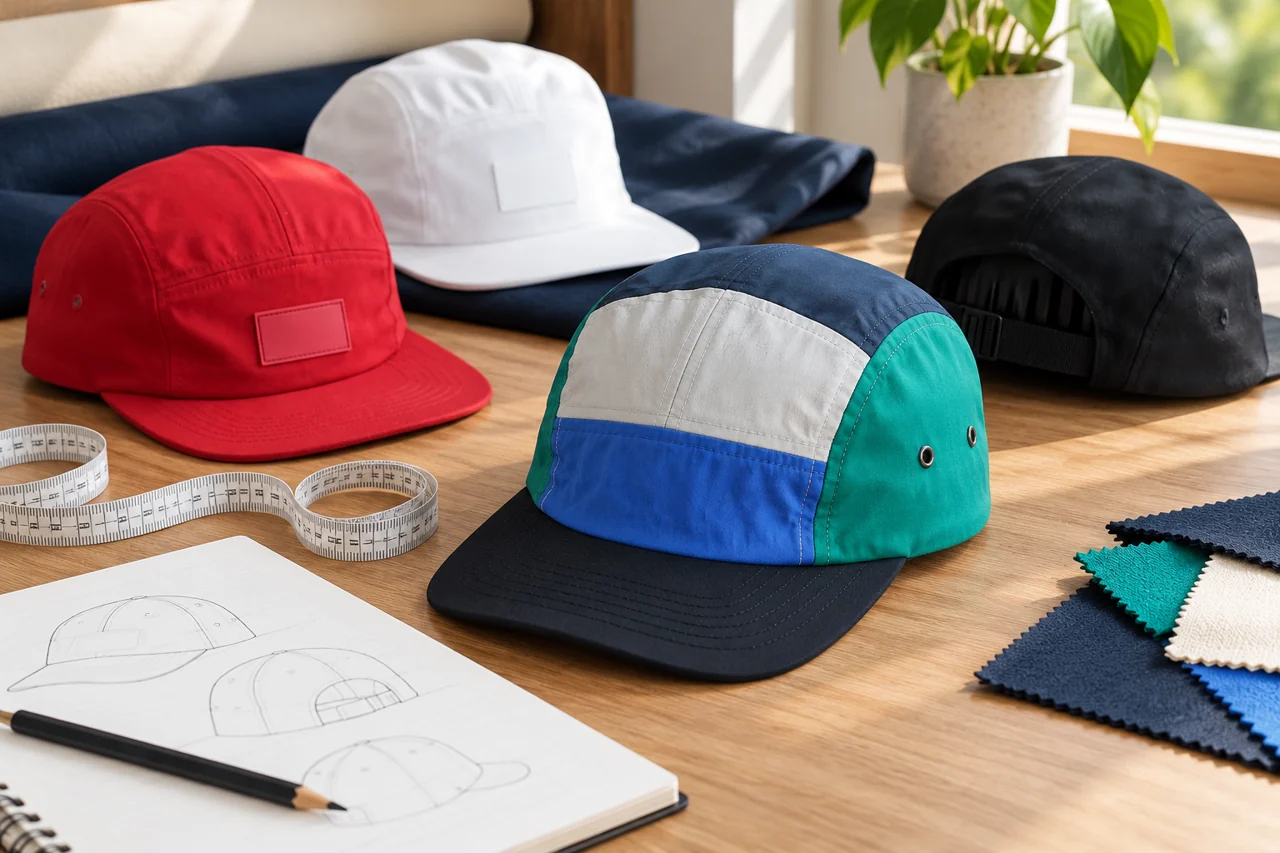
02 / 10
Define the Intended Wearer Group
Separate a smaller adult fit, a larger fit and different wearing preferences. Use measurements your team can explain rather than relying on labels alone. This gives our discussion a clear target and helps identify the samples your team needs to review.
03 / 10
Measure More Than Circumference
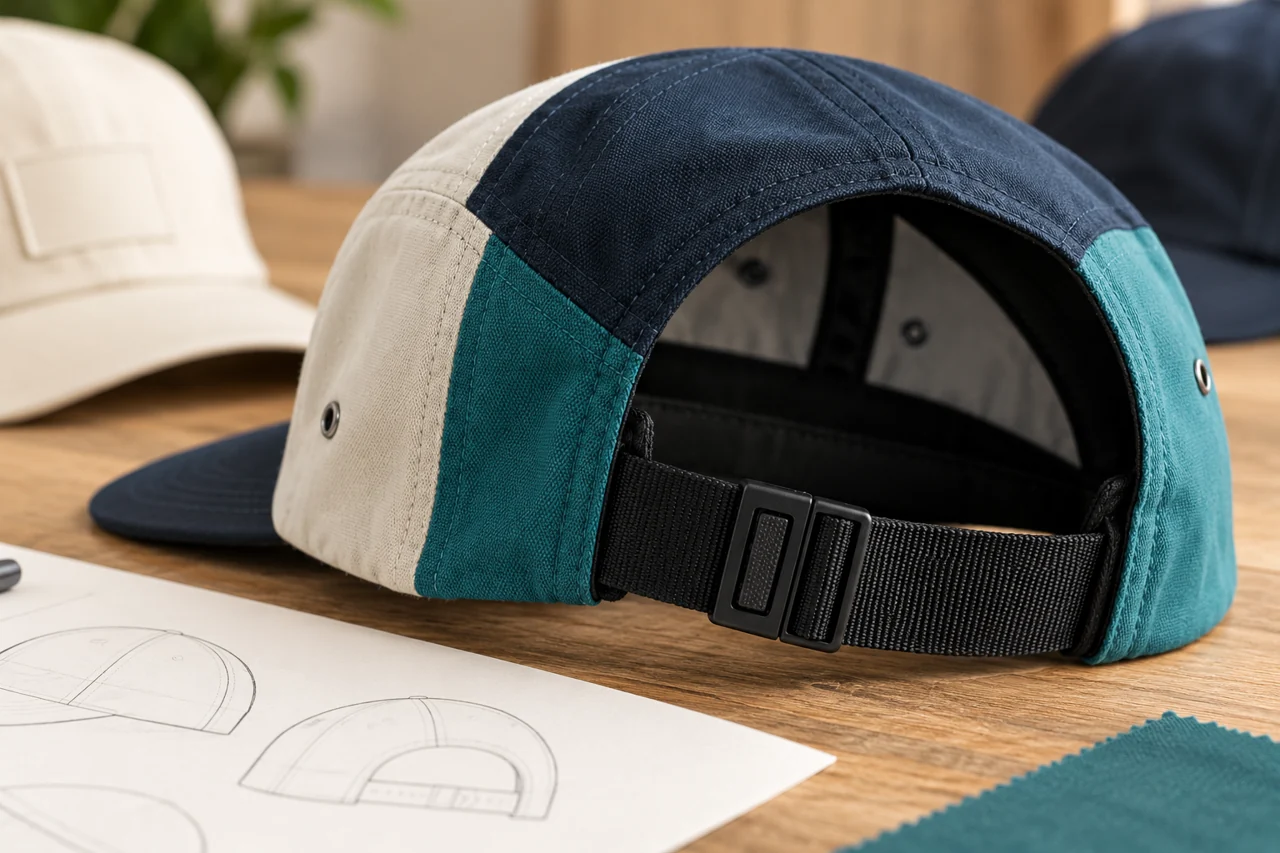
Circumference matters, but crown depth and the rear arrangement also affect the result. Mark where each measurement begins and ends. A finished cap measurement and a head measurement are different references, so identify the method beside the value.
04 / 10
Keep Size and Shape Separate
A cap can have the desired circumference while sitting too high or too low for your audience. Describe the profile and wearing position alongside the size target. We can review both on the complete sample instead of treating a size change as a complete fit solution.
| Fit decision | Useful input | Sample check |
|---|---|---|
| Circumference | Target and method | Inner finished measurement |
| Depth | Marked points | Wearing position |
| Profile | Front and side views | Appearance on the wearer |
05 / 10
Bring Materials into the Fit Review
The outer fabric, inner band, lining and support form the finished construction. Keep them in the sample brief when fit is important. A material change should remain visible rather than inheriting every approval from an earlier version. Material planning connects the component decisions.
06 / 10
Describe the Adjustment You Expect
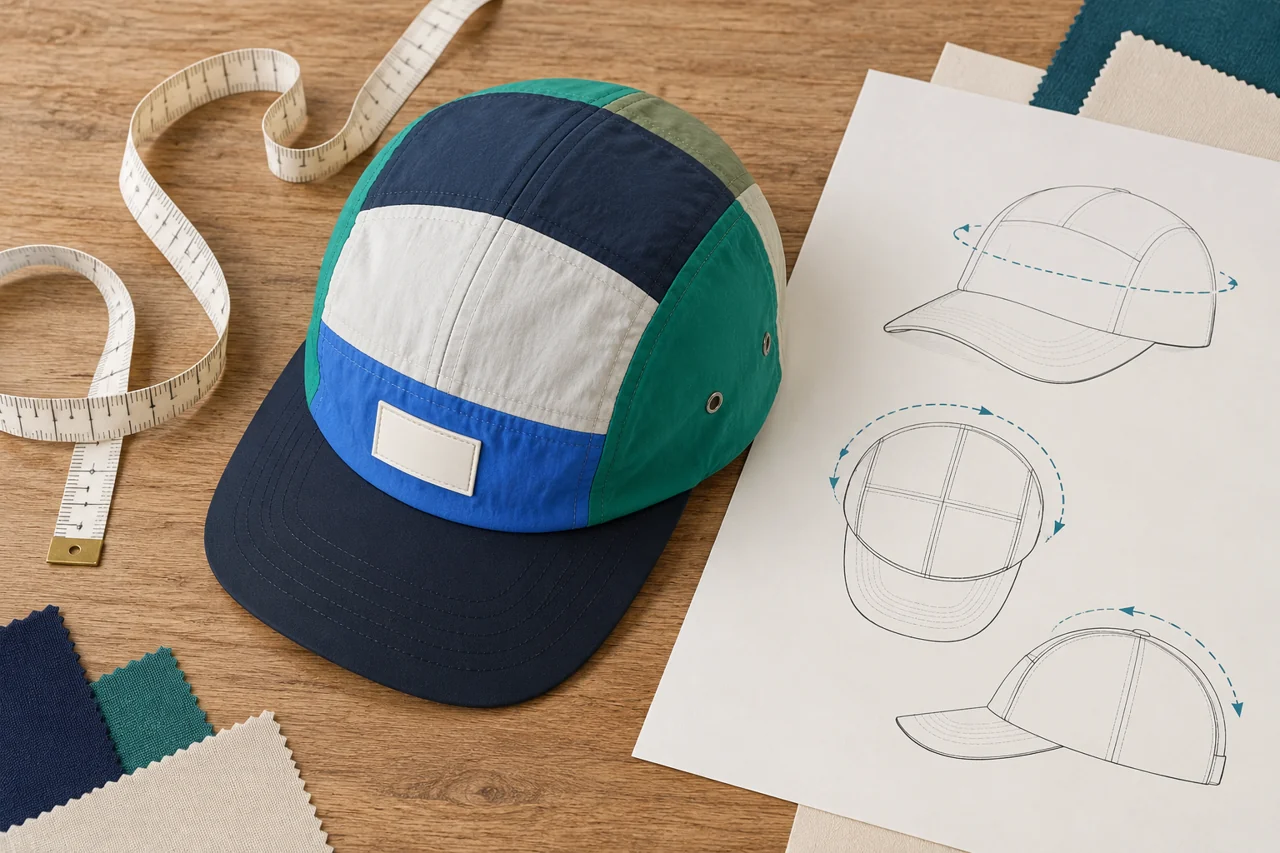
Show the preferred rear opening and fastening, together with the intended size range. Review how the selected arrangement works at the relevant settings. A generic adjustable label is less useful than a defined construction and a shared sample-review method.
07 / 10
Use Samples for the Relevant Sizes
A single sample cannot settle every size in a range automatically. Identify which versions need a physical fit review and record specific feedback. Keep accepted measurements and requested changes separate so the next revision addresses the actual issue.
- 01Define fit targets
- 02Choose review sizes
- 03Check complete samples
- 04Record accepted measurements
08 / 10
Build a Size Range You Can Allocate
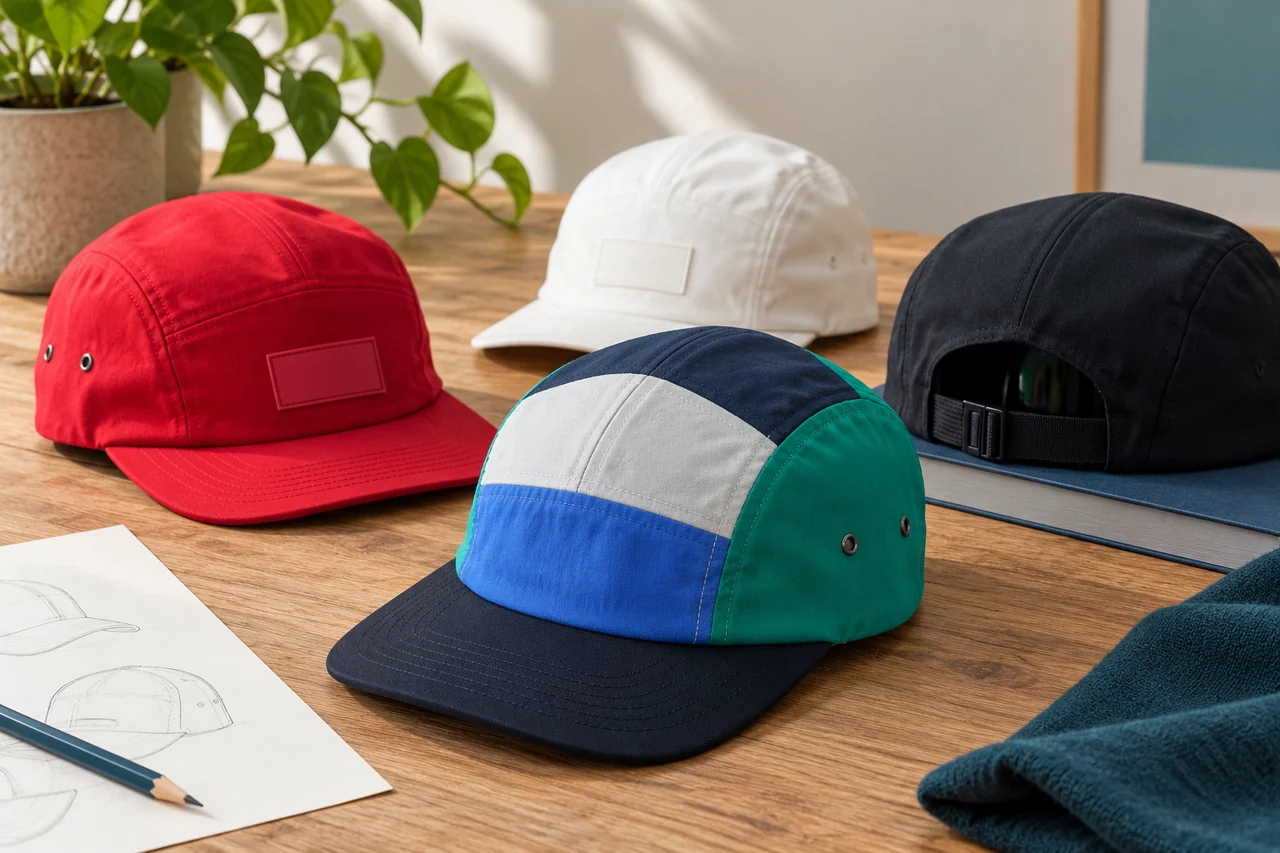
List the sizes your team intends to order and how they relate to the wearer groups. Keep artwork and material versions identifiable. We can discuss a coordinated range without hiding size differences inside one overall quantity.
09 / 10
Quote Against the Size Matrix
Send quantities by size and colour, the destination and any required milestone. Include labels and packing requirements. Sample arrangements, minimum quantities and timing are reviewed for the actual size matrix, including any construction changes between versions.
- 01Named size versions
- 02Accepted fit method
- 03Quantities by size and colour
- 04Project quotation scope
10 / 10
Send Your Adult Fit Brief
Share wearer measurements, finished-hat targets, drawing views and adjustment preferences. Add materials, artwork and the quantity split. Continue with drawing inputs and sample approval to make the next review specific to the people who will wear your hats.
Qingdao Relia Hats Co., Ltd. · Qingdao, Shandong, China
- Wearer group
- Measurement method
- Circumference and depth
- Adjustment preference
- Material and artwork
- Size quantities