
CUSTOM HATS · CHINA FACTORY
Custom Team Caps with Individual Names and Identifiers
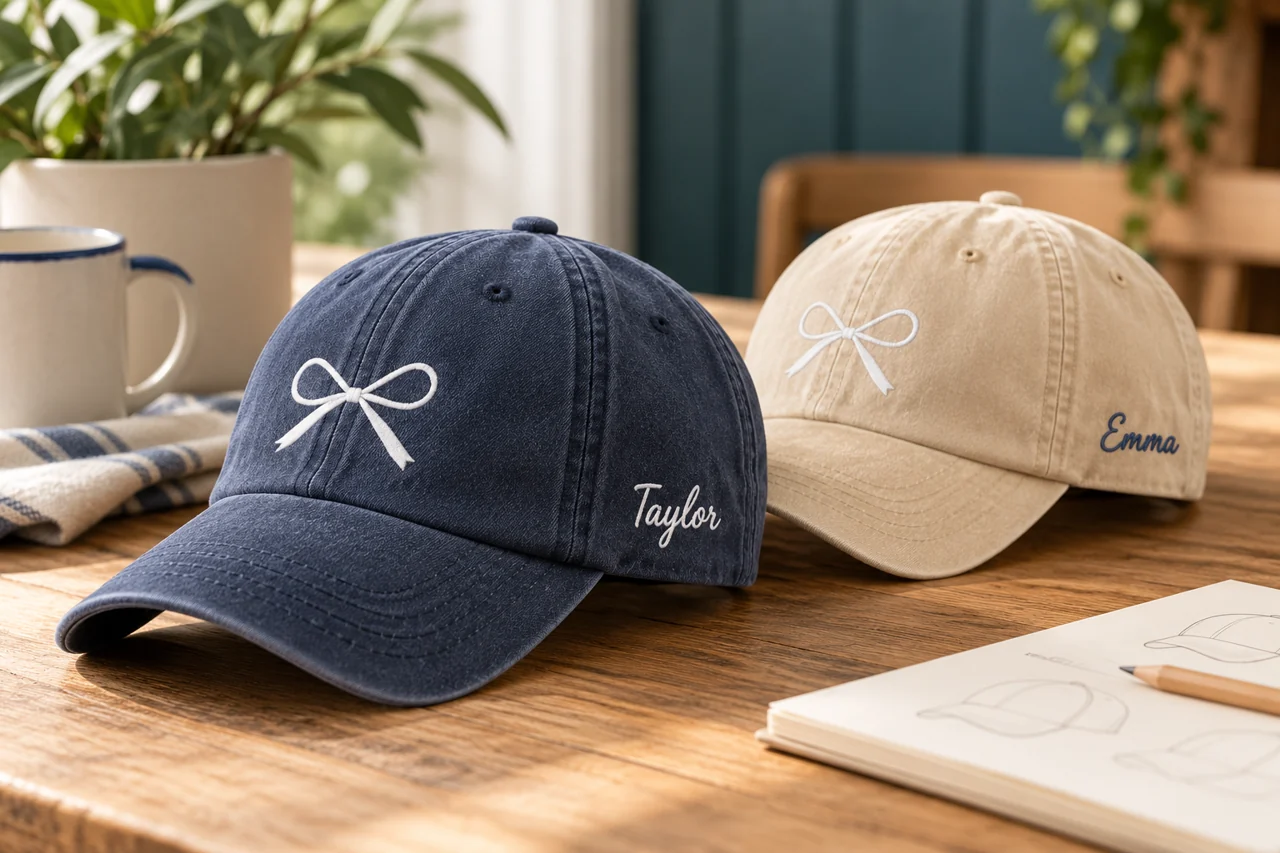
Your team can share one identity while each cap carries a different name or identifier. We develop custom hats in China from your requirements and artwork. Bring the base cap design and controlled name list, and we can review the variable details as part of the complete project scope.
Explore the project steps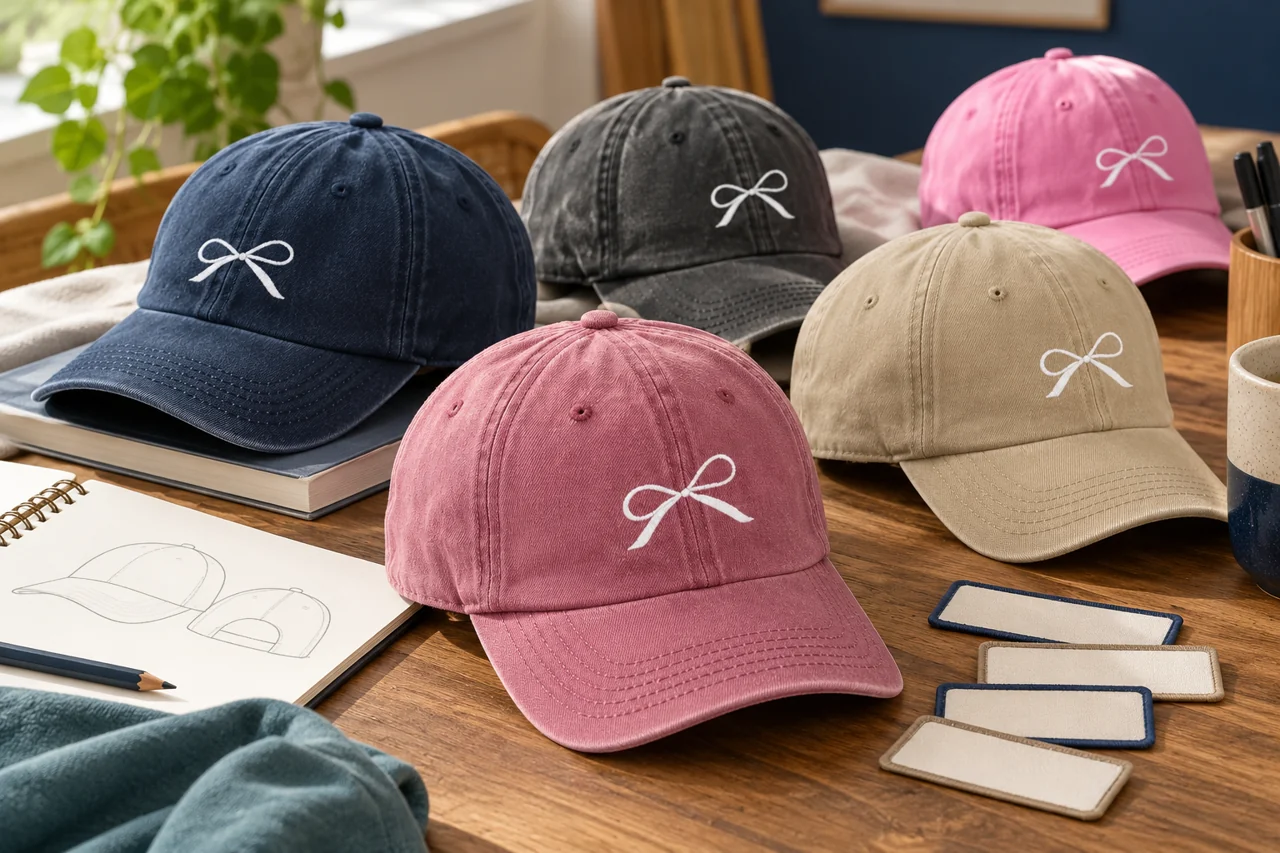
02 / 10
Separate Shared and Variable Artwork
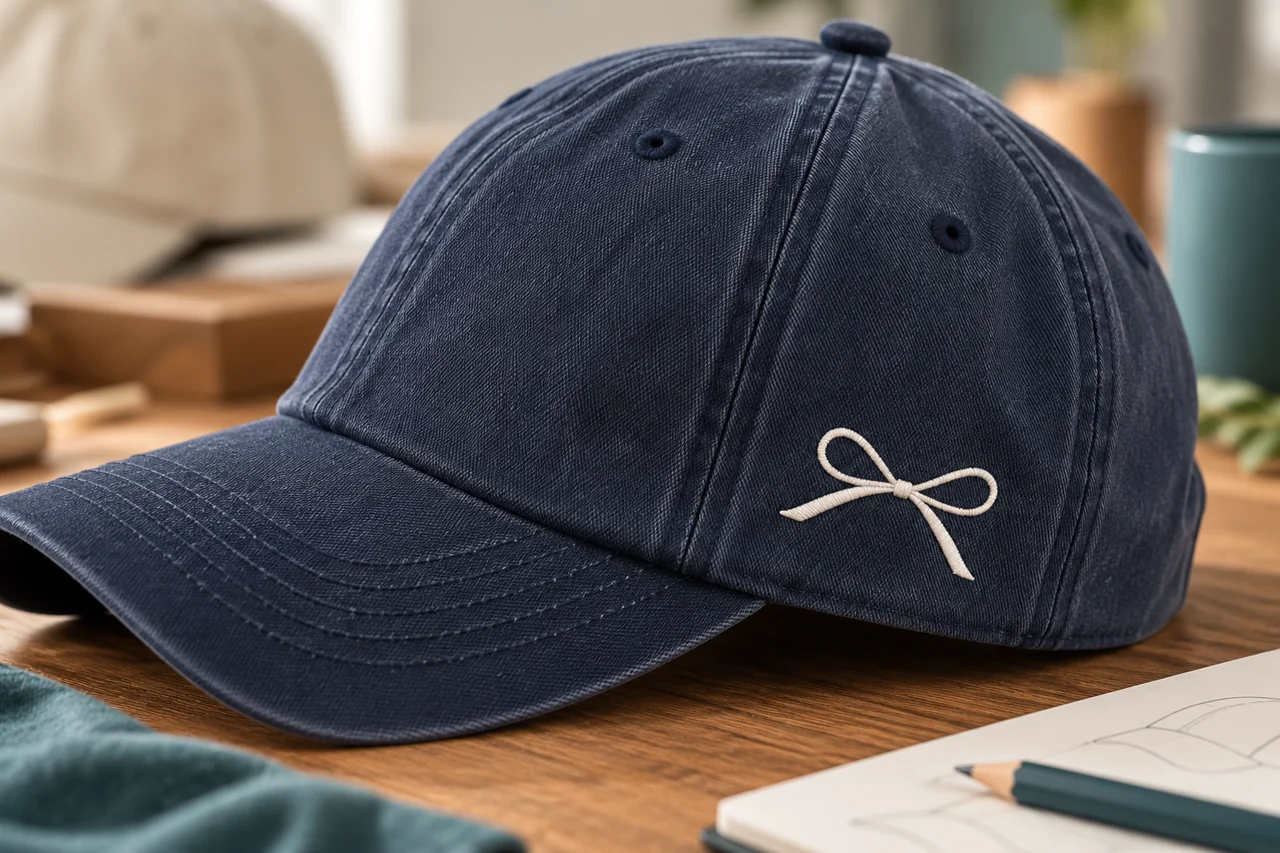
Keep the core logo distinct from names, roles or other individual details. Identify the artwork version used on every cap and the information that changes by recipient. This makes the review easier than treating each cap as an unrelated design.
03 / 10
Choose a Defined Placement Area
Show where the name or identifier should sit, with dimensions and distance from seams or edges. Bring the longest and shortest entries into the layout review. The chosen surface and decoration method need to support the intended appearance on the actual cap.
04 / 10
Use One Controlled Recipient List
Provide the exact spelling, case and version assignment for each entry. Keep accents or other characters intact in the source file. Identify who approves the final list. A clear record helps prevent an artwork change from becoming an unintended change to someone's name.
| List field | Record | Purpose |
|---|---|---|
| Name or identifier | Exact approved text | Artwork preparation |
| Cap version | Colour and size | Correct product allocation |
| Quantity | Units for that entry | Order completeness |
05 / 10
Review the Base Cap Before Variations Multiply
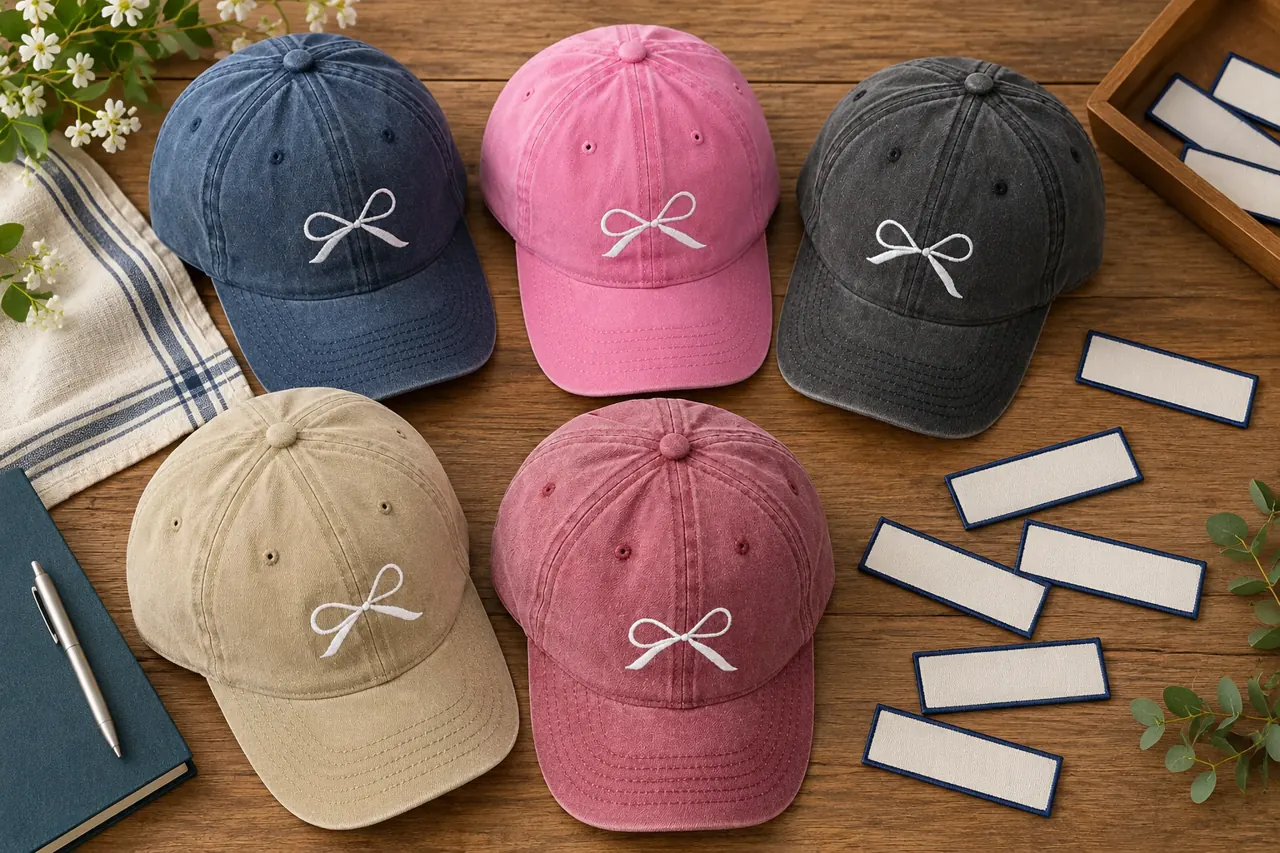
Settle the crown, material, fit and shared branding direction first. Keep individual decoration within that selected construction. Baseball-cap development and adult fit planning help define the base product before variable entries introduce another approval layer.
06 / 10
Agree Proofing for Different Entry Lengths
Some names or identifiers occupy more space than others. Define the appearance you want to preserve when entries vary, including placement and permitted layout adjustments. Review the approach on representative entries instead of assuming one visual treatment will suit every line equally.
07 / 10
Keep Text Approval and Sample Approval Distinct
A correct spelling list does not settle the physical decoration result. Review the selected cap sample and the variable artwork proof as separate decisions. Keep both attached to the current project version so changes remain traceable through the order discussion.
- 01Approve the source list
- 02Review representative layouts
- 03Check the decorated sample
- 04Record both approvals
08 / 10
Organise Packing for Distribution
Tell us how the caps need to be identified or grouped for your team. Include the receiving instructions and any recipient-level packing requirement in the scope. We can review those arrangements with you rather than assuming a bulk carton alone explains the distribution plan.
09 / 10
Quote the Variable Work Explicitly
List the base-cap quantities and the number of distinct entries, with any repeats. Add destination and the milestone that matters. Minimum quantities, sample work, charges and timing are reviewed for the complete project, including the variable decoration and agreed presentation.
- 01Accepted base cap
- 02Controlled variable list
- 03Defined proofing scope
- 04Complete project quotation
10 / 10
Send Your Named Team-Cap Brief
Send the cap reference, shared logo, exact recipient list and placement direction. Add sizes, colours, quantities and packing needs. Continue with multilingual artwork, sample approval or replacement orders when those details belong in your programme.
Qingdao Relia Hats Co., Ltd. · Qingdao, Shandong, China
- Base cap specification
- Shared artwork
- Exact name list
- Placement and scale
- Recipient size and colour
- Distribution requirements