
CUSTOM HATS · CHINA FACTORY
Repeat Custom Hat Orders with an Approved Specification
A repeat order starts more clearly when both teams can identify the product you accepted. We manufacture custom headwear in China around your requirements and artwork. Bring the current specification, reference sample information and new quantity plan, and we can review what remains the same and what needs a new decision.
Explore the project steps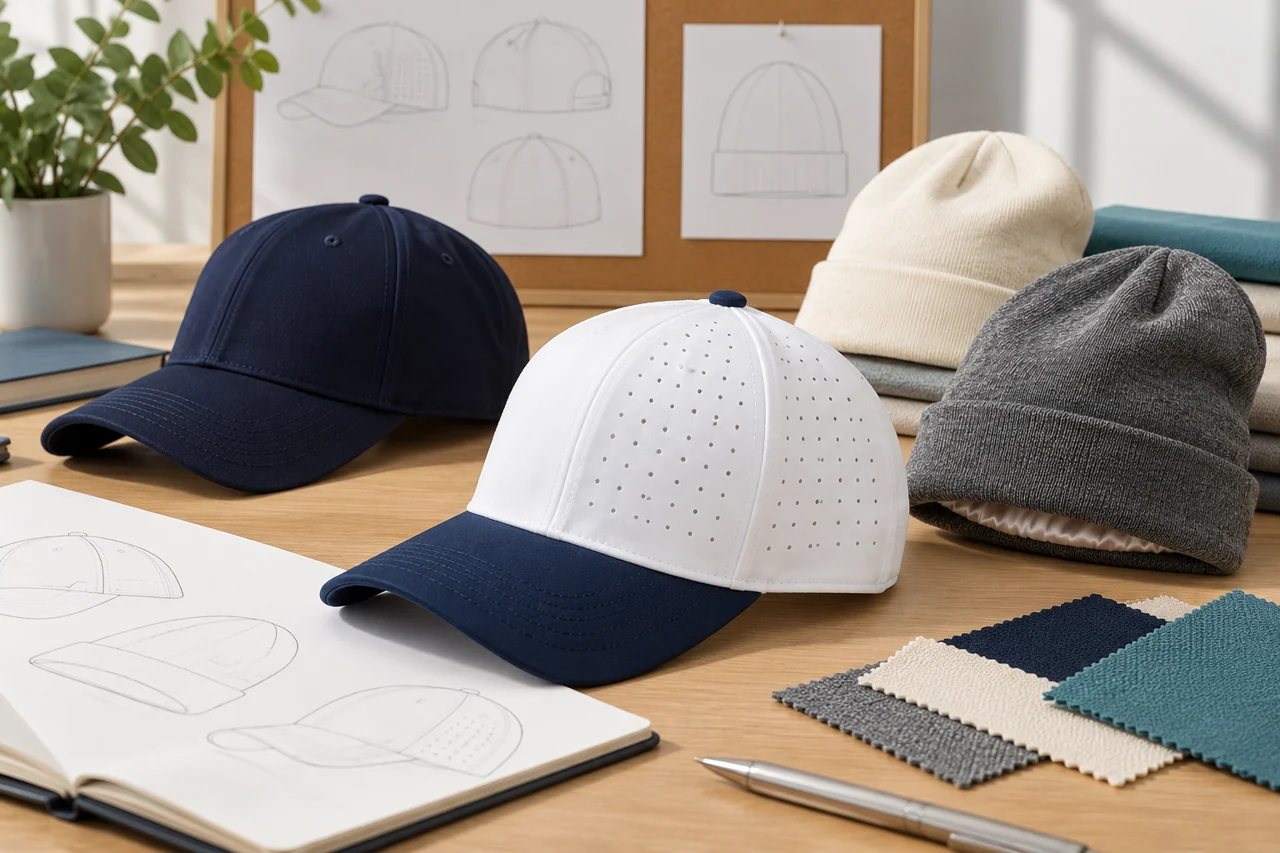
02 / 10
Identify the Accepted Product Version
Keep the drawing, materials, artwork, measurements and sample reference together. Name the version your team wants to repeat. A familiar style name or previous order number can provide context, while the actual specification explains the product you intend to make again.
03 / 10
Keep the Reference Sample Useful
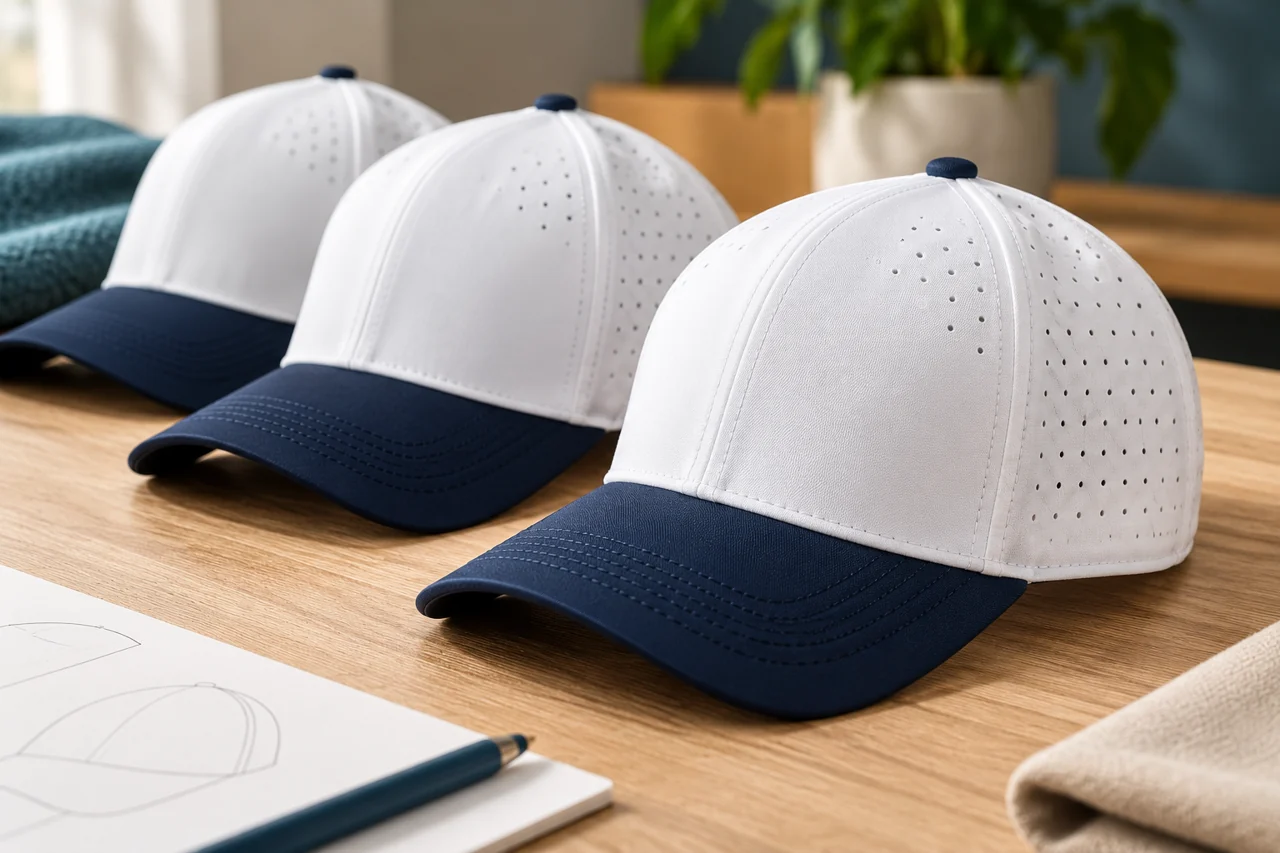
Use the accepted sample information to explain shape, finish and decoration. Identify any detail the written record needs to clarify. We can review the reference with the new order scope without assuming that a photograph reveals every hidden component or material requirement.
04 / 10
Separate Replenishment from Product Changes
A new colour, material, logo or size can create a revised version even when the cap family stays familiar. List those changes explicitly. Keep an unchanged quantity increase separate from a design update so the review addresses the decisions that actually differ.
| Order intention | Record | Review focus |
|---|---|---|
| Repeat accepted version | Current specification and quantities | Applicable project arrangements |
| Add a colour or size | Named new version | Affected sample and component decisions |
| Change construction or artwork | Marked revision | New approval scope |
05 / 10
Review Materials Against the Current Requirement
Share the exact material and component specification to be used. If an alternative is proposed, keep it separate until accepted. A repeat order should retain a clear record of the selected material rather than allowing a sourcing discussion to become an unnoticed product change.
06 / 10
Keep Artwork and Labels Controlled
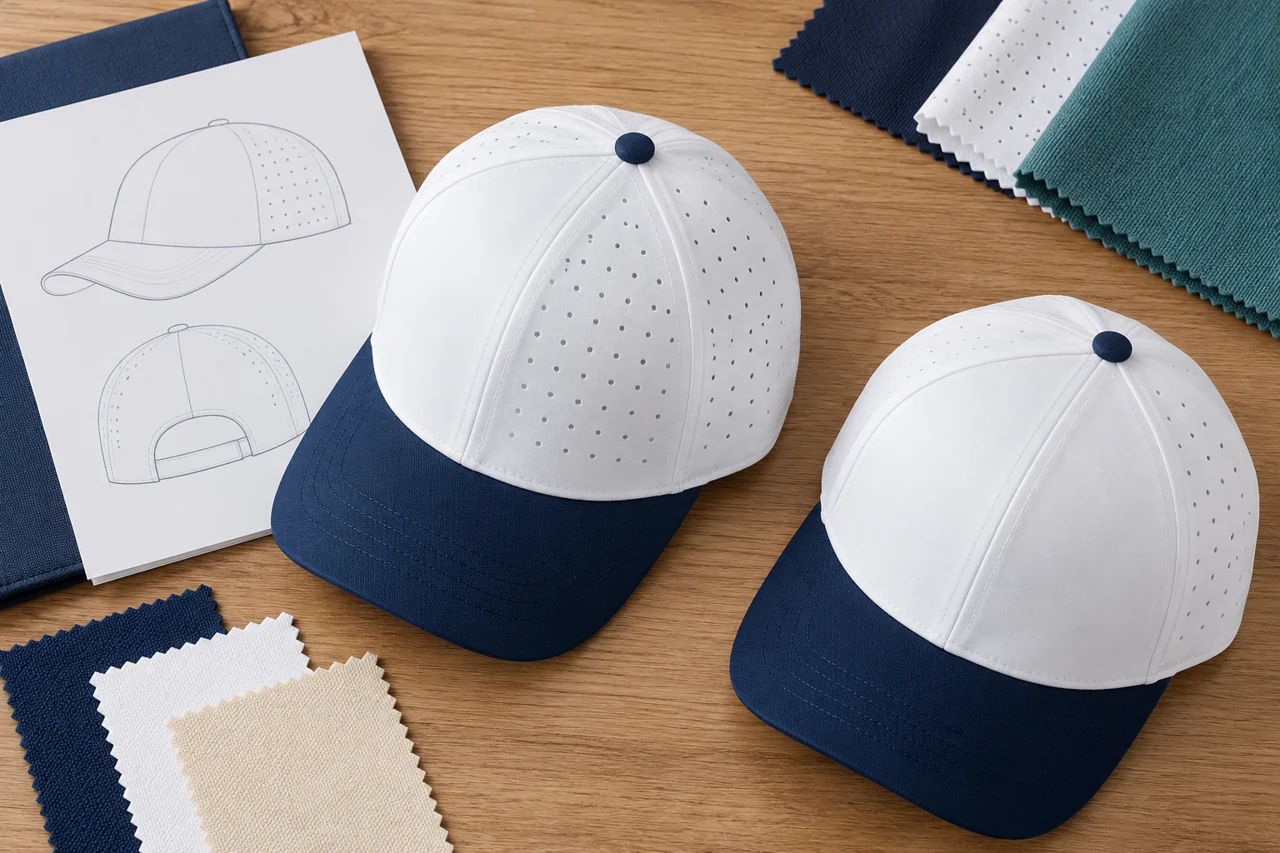
Identify the logo file, placement dimensions and label content attached to the accepted product. Mark any requested update. We review the complete branding scope with the hat, keeping an old artwork image from standing in for the current authorised source.
07 / 10
Agree Which Changes Need Review Again
Identify the parts of the prior approval affected by a new requirement. A material or fit change may need a different review from a wording update. Sample approval planning helps define the checks rather than treating every reorder as either entirely unchanged or a complete restart.
- 01Identify the accepted version
- 02Mark requested changes
- 03Define the affected review
- 04Record the current approval
08 / 10
Confirm Presentation and Destination
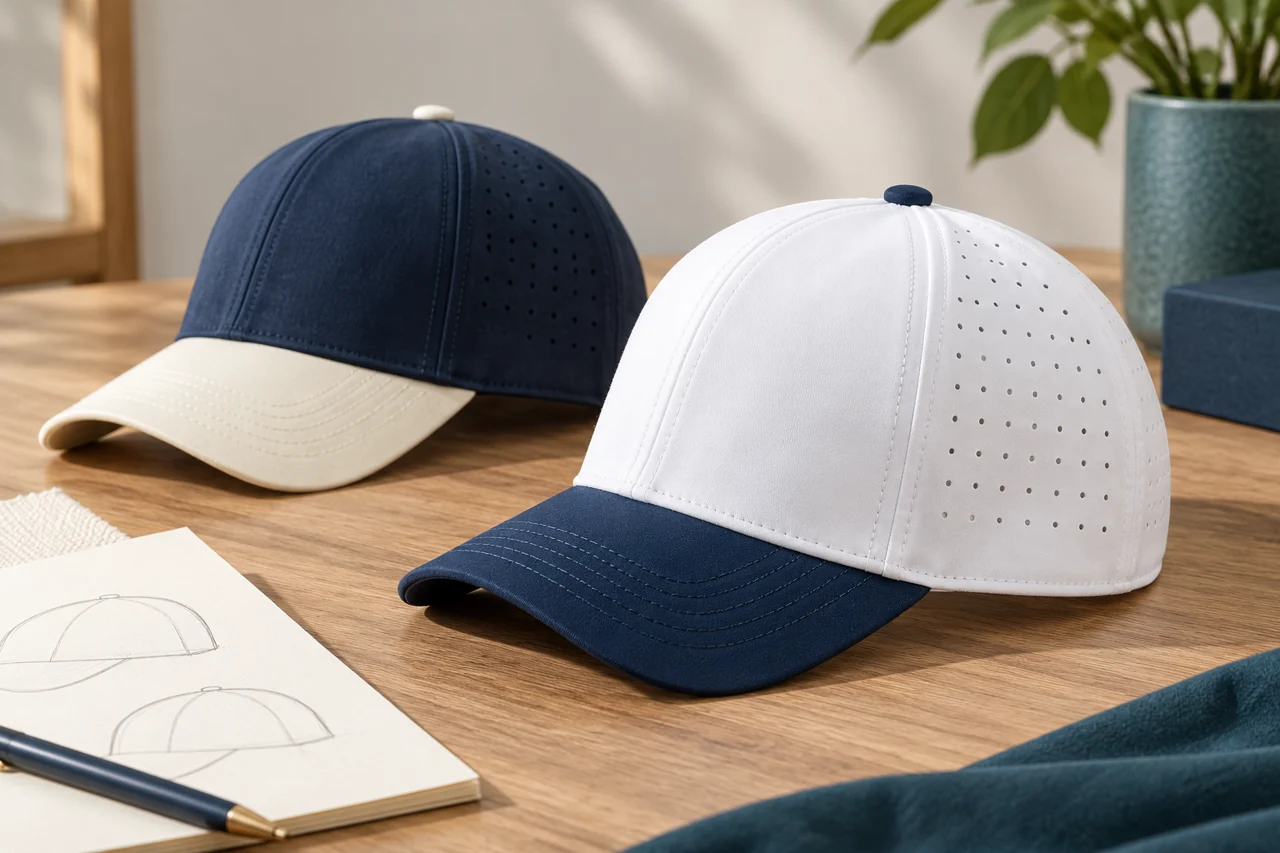
The same hat may be delivered to a different location or sales channel. Bring the current receiving and packing instructions into the order discussion. Keep those changes visible even when the product itself remains familiar, including any version-level grouping required for distribution.
09 / 10
Review Commercial Terms for the New Order
Send quantities by version and destination, together with the required milestone. Pricing, minimum quantities and timing are confirmed for the current project and scope. Quotation comparison helps keep a new quantity proposal connected to the components and arrangements actually included.
10 / 10
Send Your Repeat-Order Pack
Send the accepted specification, sample reference information, current artwork and a marked change list. Add quantities, packing and destination. Continue with manufacturer transfer planning, sample review or milestone planning when your next order includes a broader change.
Qingdao Relia Hats Co., Ltd. · Qingdao, Shandong, China
- Accepted product version
- Material and component record
- Current artwork
- Explicit change list
- Version quantities
- Packing and destination