
CUSTOM HATS · CHINA FACTORY
Custom Packable Hats for Travel and Outdoor Brands
Your customer may want a hat that travels with a daypack or suitcase. We develop custom hats around your requirements, drawings and branding. Bring the intended carrying method into the design brief, so we can review the hat's shape and construction alongside its travel role.
Explore the project steps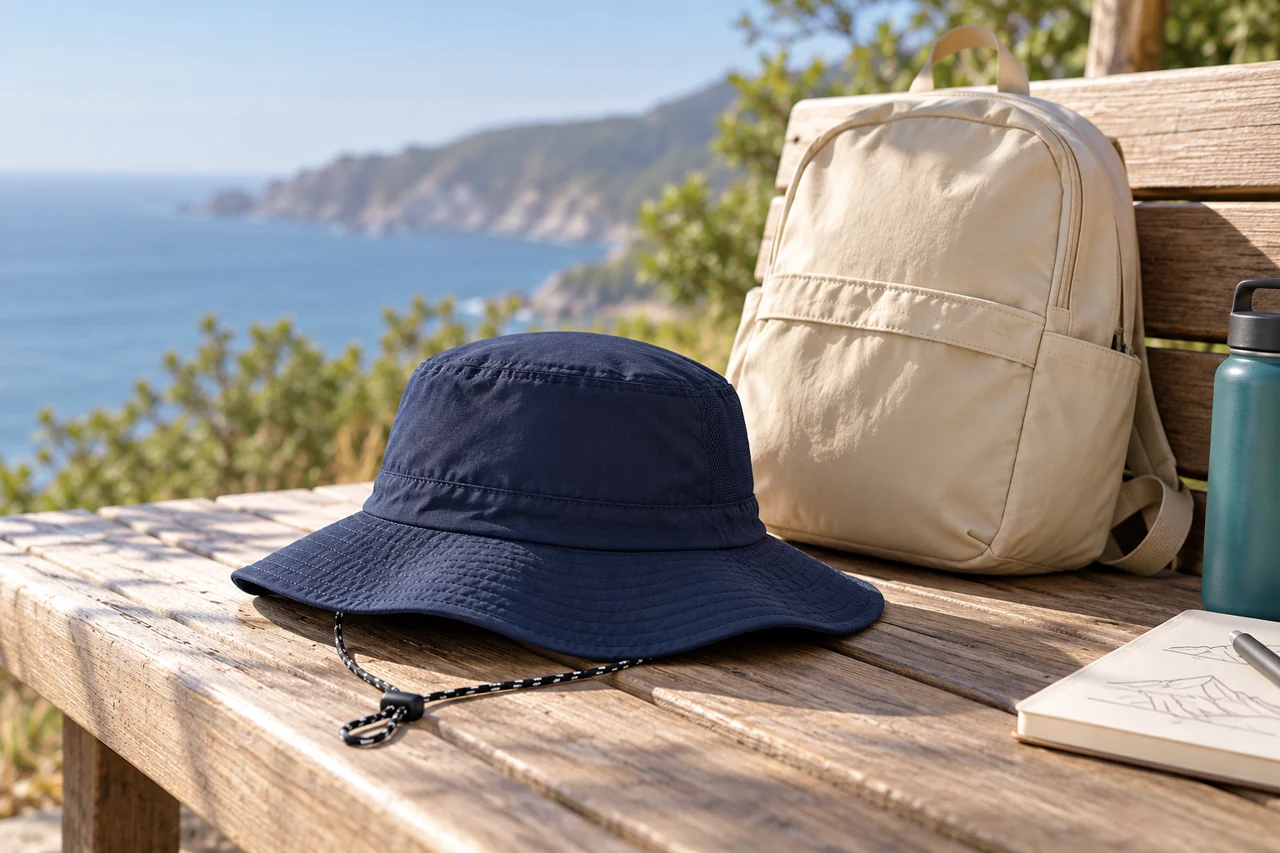
02 / 10
Define the Carrying Method First
Folding, rolling and placing a hat flat are different requirements. Describe the space available and the way your customer is expected to carry it. Keep that use separate from the general travel-style appearance of the hat.
| Carrying direction | Define | Review |
|---|---|---|
| Folded | Fold position and storage space | Finished shape after carrying |
| Rolled | Intended method | Brim and crown behaviour |
| Packed flat | Container and arrangement | Protection and presentation |
03 / 10
Match the Brim to the Requirement
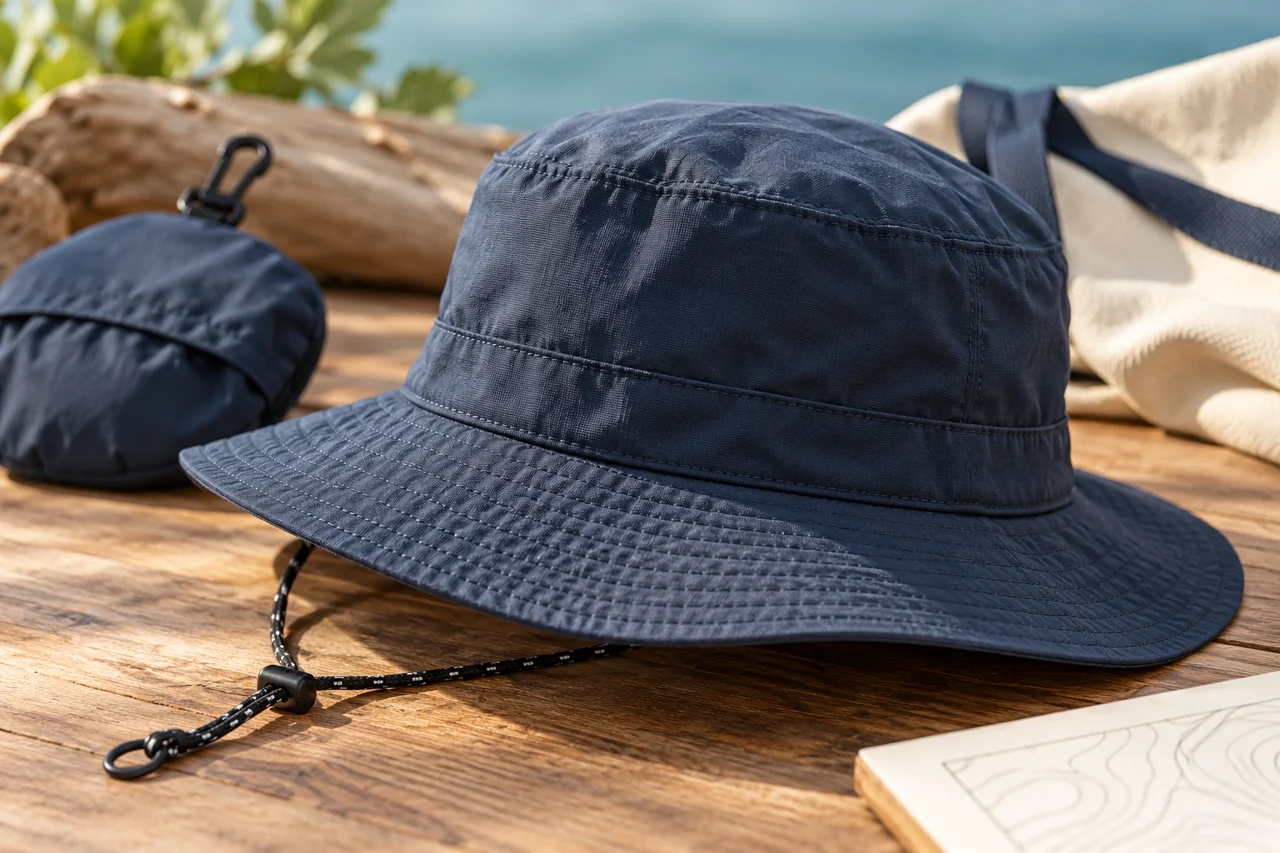
The brim material and structure influence the carrying discussion. Keep the required profile, edge and stitch details visible on the drawing. We can review the complete sample against your intended method instead of assuming that every soft-looking hat is suitable for the same treatment.
04 / 10
Keep Shape Recovery in the Sample Brief
Define the condition you want to review after the hat has been carried. Include the method and any agreed review conditions. This turns a broad packable description into a product decision your team can assess on the selected construction.
- 01Define carrying method
- 02Agree review conditions
- 03Assess the finished sample
- 04Record the accepted description
05 / 10
Specify Materials by Component
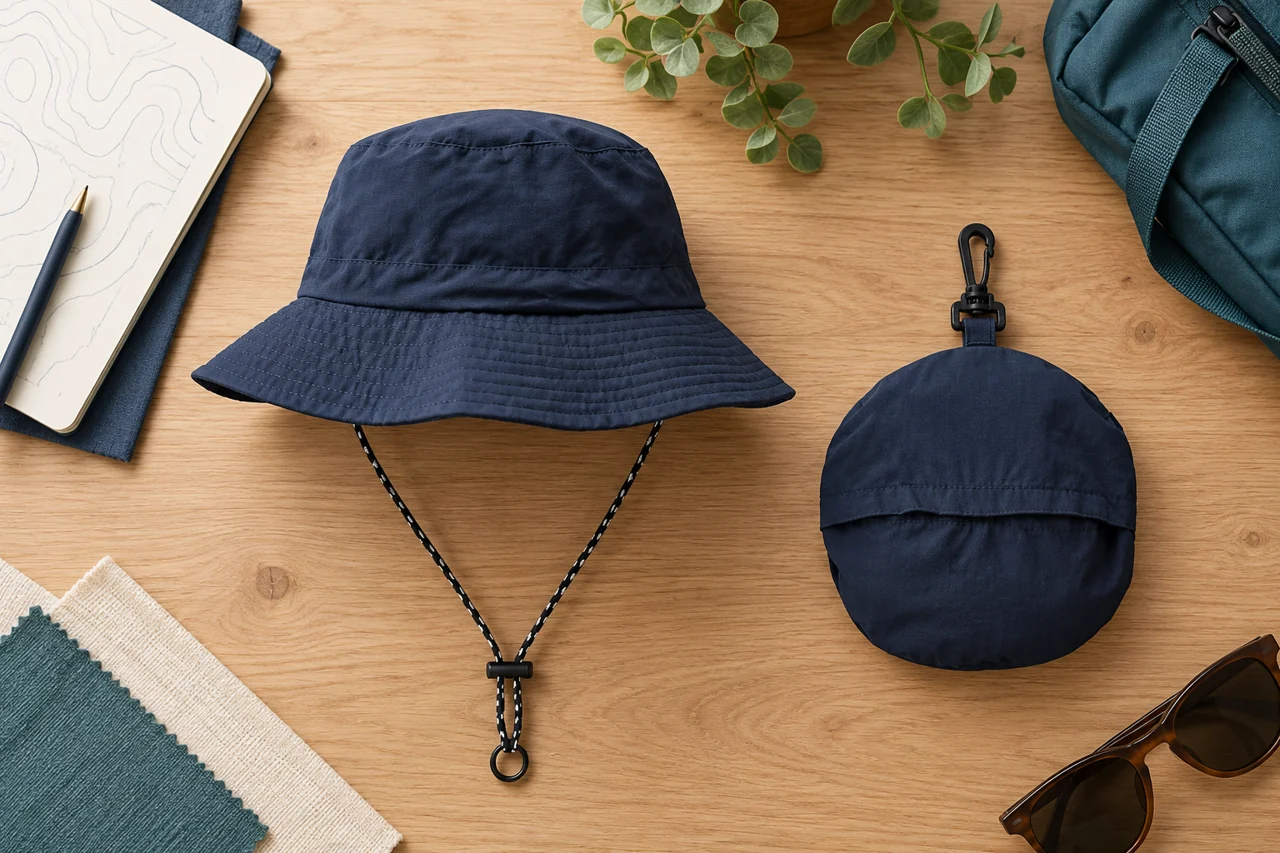
The crown, brim, inner band and any cord may have different material requirements. Identify each one, including your nominated composition and surface direction. Component material planning helps keep the travel requirement connected to the actual hat rather than to one fabric name.
06 / 10
Place Branding Where It Survives the Review
Show your artwork and intended position alongside the carrying method. A patch, embroidery or print needs a review on the selected surface and construction. Keep the complete decorated sample in scope so the approved appearance includes the way the hat will be handled.
07 / 10
Separate Travel Features from Protection Claims
If the product needs a particular weather or sun-protection claim, name it separately and discuss the relevant information. Carrying convenience does not define those properties. We keep the material, construction and required wording connected to the actual version you intend to sell.
08 / 10
Plan the Retail Presentation
Explain how the hat will reach your customer and appear in its packaging. A compact presentation may need a different review from a shop display. Keep labels, instructions and packing components in the quotation scope, including any carrying guidance you intend to provide.
09 / 10
Build the Wholesale Versions Clearly
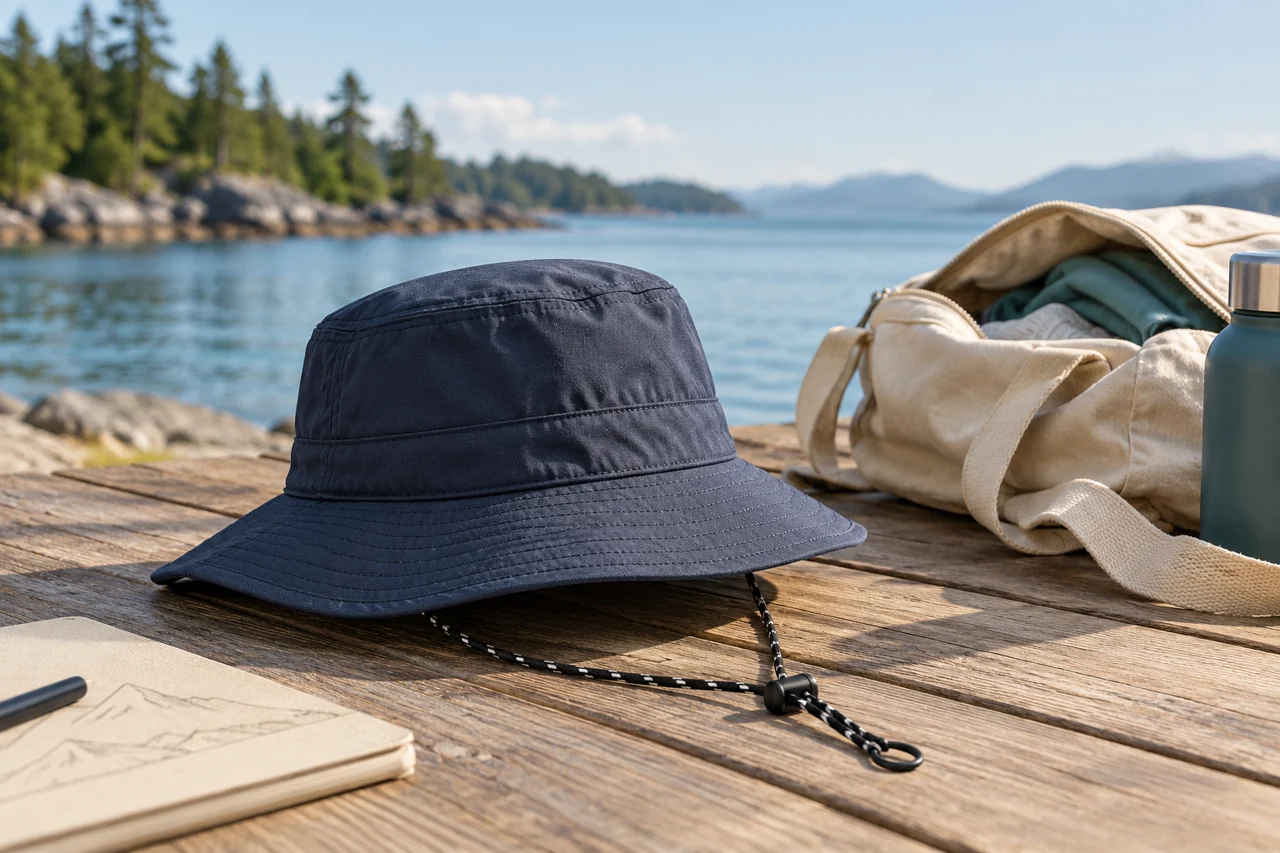
List sizes, colours and quantities, with any changes in cord, material or artwork. Add destination and the launch milestone. Minimum quantities, sample charges and timing are reviewed for the actual specification. Outdoor range planning helps connect the hat to a wider product collection.
- 01Defined carrying requirement
- 02Accepted construction
- 03Named retail versions
- 04Quantities and packing scope
10 / 10
Send Your Travel-Hat Brief
Share the hat reference or drawing, carrying method, material direction and logo. Include the appearance you want to review after carrying, plus the size and quantity plan. Continue with sample approval and protective packing for the next connected decisions.
Qingdao Relia Hats Co., Ltd. · Qingdao, Shandong, China
- Hat shape
- Carrying method
- Component materials
- Recovery review
- Artwork placement
- Sizes and quantities