
CUSTOM HATS · CHINA FACTORY
Small-Batch and Mixed-Style Custom Hat Orders
Your opening range may contain several hat ideas rather than one large identical order. We manufacture custom headwear in China and review projects around their actual specifications. Bring the styles, materials, branding and proposed quantities, and we can discuss the small-batch or mixed-style scope clearly.
Explore the project steps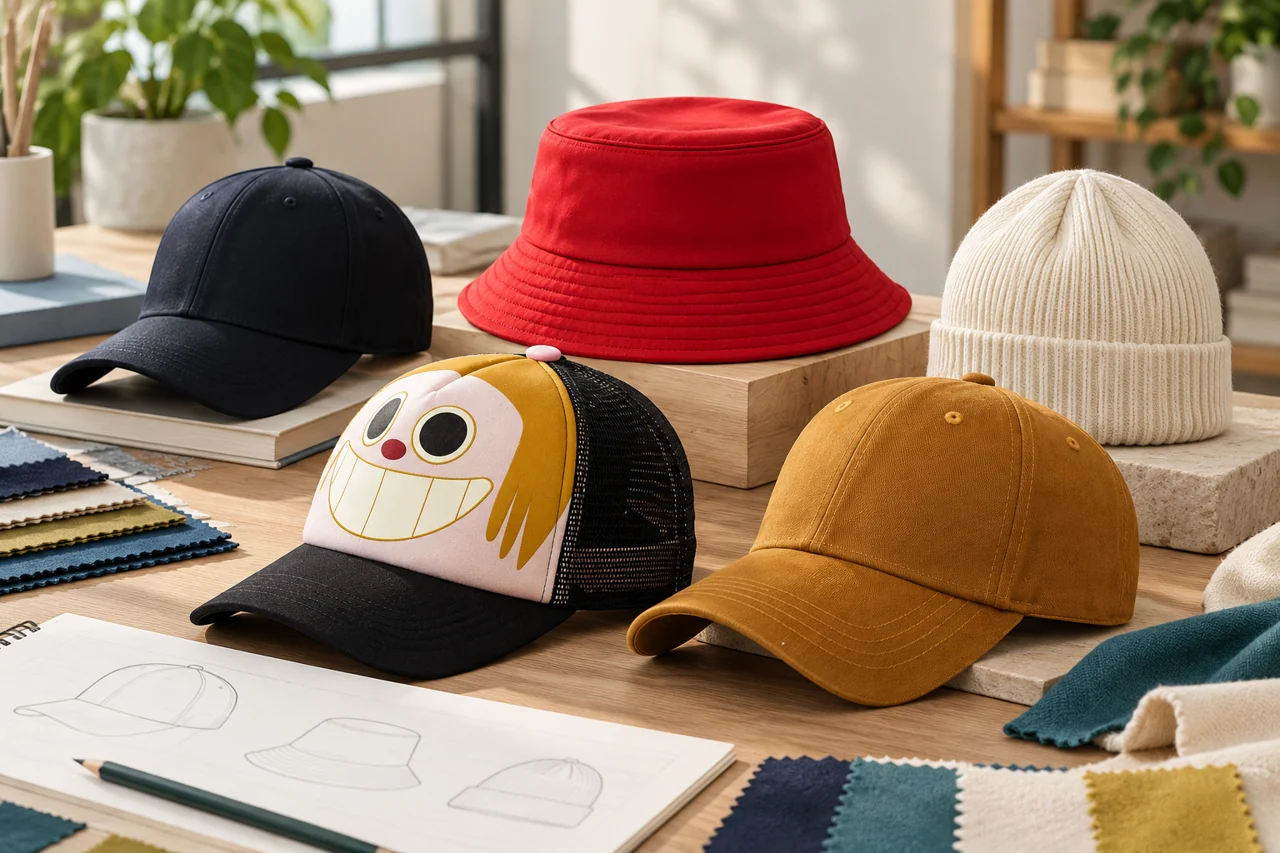
02 / 10
Separate the Total from the Individual Versions
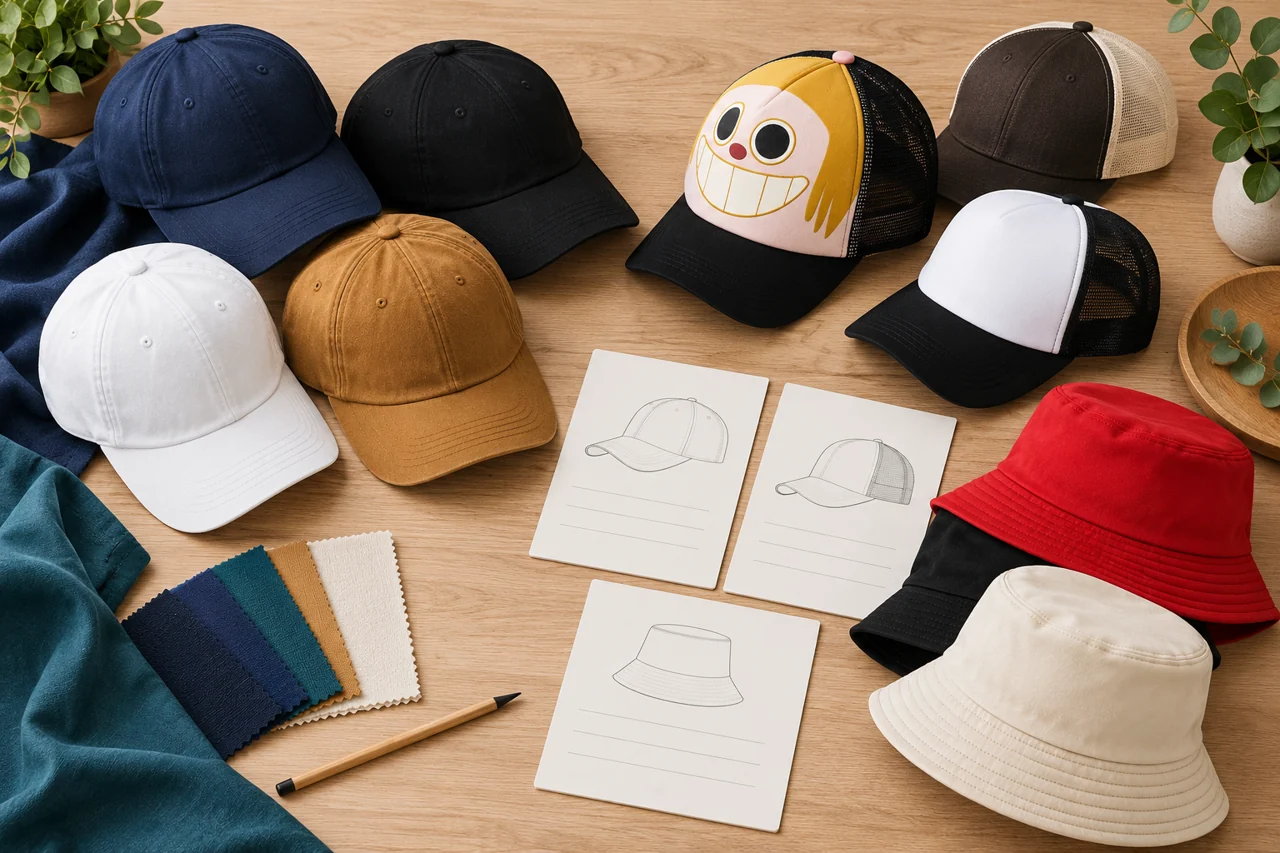
One total can hide several styles, colours, materials and artworks. List those combinations separately. This gives the review a useful basis and makes it clear where the order contains repeated construction and where it introduces a different product.
| Quantity layer | Record | Review purpose |
|---|---|---|
| Whole project | Overall proposed units | Range context |
| Style version | Hat and material combination | Construction scope |
| Colour and artwork | Units per combination | Actual production split |
03 / 10
Keep Different Constructions Visible
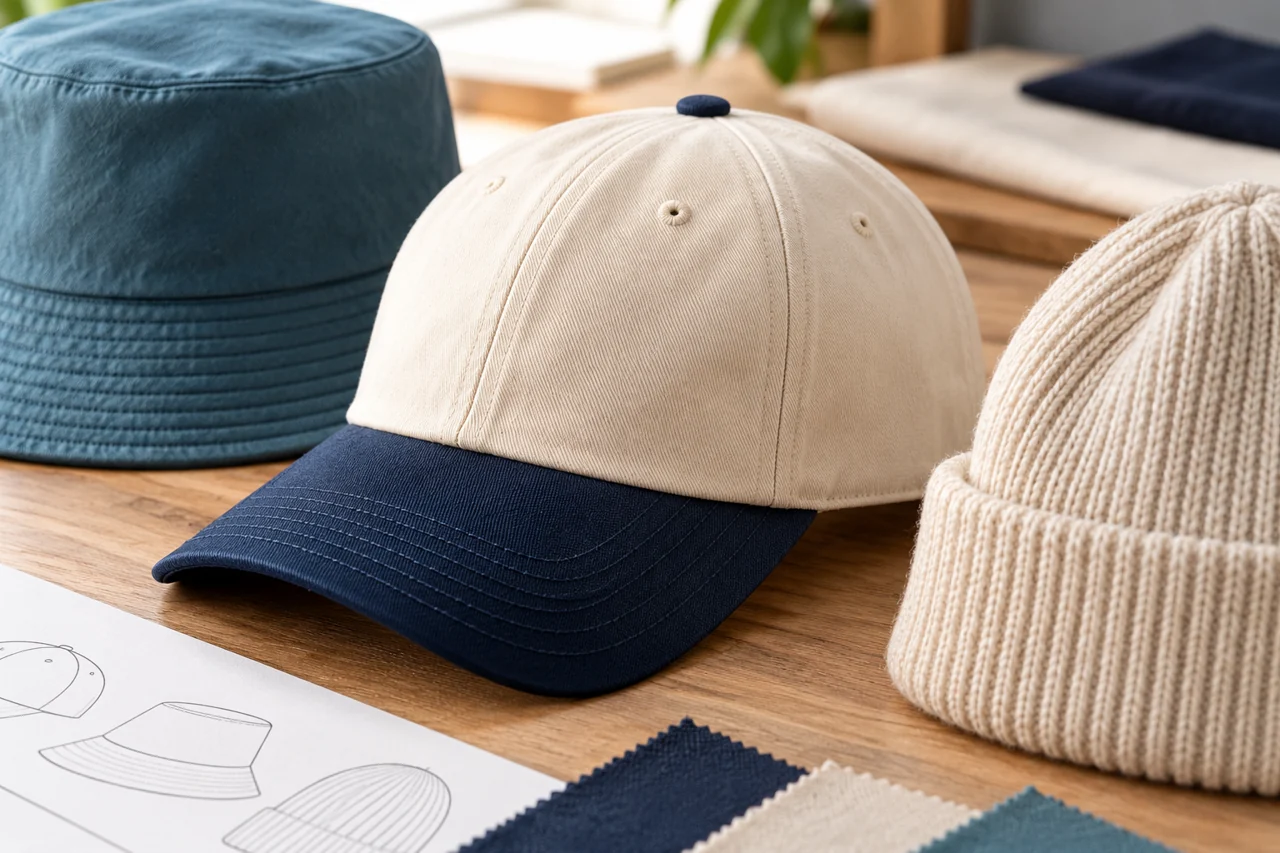
A cap, bucket hat and beanie may share a brand identity while needing different components and sample decisions. Select the references and identify your changes. We can review the assortment together without treating several distinct hat families as one interchangeable item.
04 / 10
Define the Material and Decoration Scope
List nominated fabrics, components and decoration requirements for each version. A change in material or artwork can create a different project requirement even when the hat shape remains familiar. Material planning and private label components help organise the input.
05 / 10
Choose Which Differences Matter to the Range
Identify the details that are essential to the launch and the alternatives your team is willing to review. That lets us discuss the brief without quietly changing the product. Keep any suggested consolidation separate from the original requirements until you accept it.
06 / 10
Use Samples to Settle the Main Product Choices
Agree which constructions and decoration combinations need review. A single sample should not automatically approve every style in the assortment. Sample planning helps define the decisions each review needs to resolve before the complete opening order is agreed.
- 01Map distinct versions
- 02Define sample purposes
- 03Review key differences
- 04Accept the order specification
07 / 10
Review Minimum Quantities by the Actual Project
Minimum quantities depend on the selected product and scope rather than one general number covering every custom design. Share the proposed split and the decisions still open. We can review the requirements with you and discuss the commercial arrangements for the actual order.
08 / 10
Build a Manageable Opening Assortment
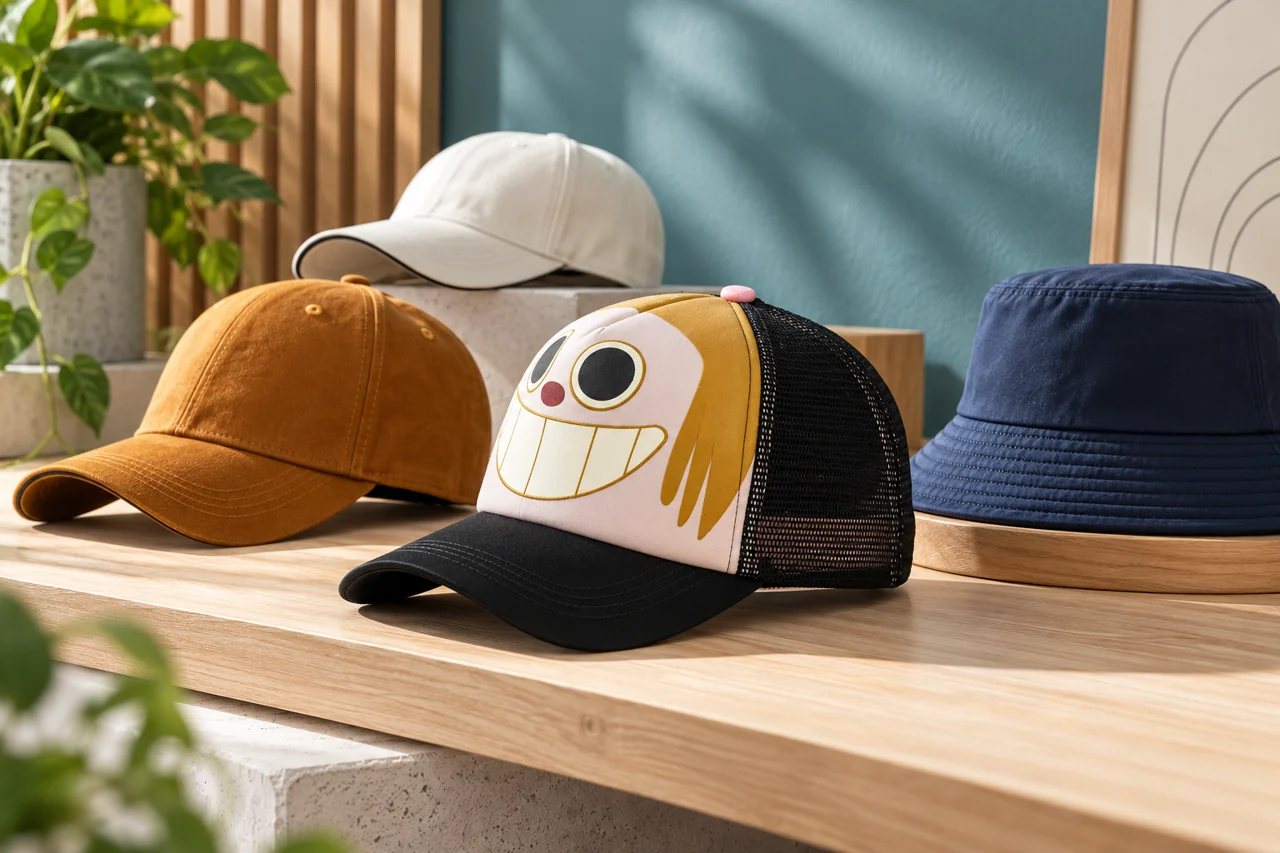
A focused range can still offer useful variety when each version has a clear role. Keep the products that support your audience and presentation plan. We can review the range as a coordinated project while retaining the specifications needed for quotation and approval.
09 / 10
Compare the Complete Cost Scope
Include sample work, product components, decoration, labels and packing when reviewing the quotation. Add destination and the required milestone. Comparable quotation planning helps distinguish a change in quantity from a change in what is included.
- 01Complete version matrix
- 02Defined sample work
- 03Included product and packing scope
- 04Project-specific quotation
10 / 10
Send Your Proposed Opening Order
Send the hat references, desired changes, materials and artwork, with quantities for each combination. Mark essential details and open alternatives. Continue with new-brand manufacturing, wholesale assortment planning or sample approval for the next connected review.
Qingdao Relia Hats Co., Ltd. · Qingdao, Shandong, China
- Selected hat styles
- Material versions
- Artwork and labels
- Quantity per combination
- Essential and open choices
- Destination and milestone